Does Cypress, TX Have a Flooding Risk?
Cypress does not have a universal flooding problem, but some areas have historically carried more risk than others. Flooding here is highly location-specific, influenced by elevation, drainage, and proximity to bayous rather than the zip code itself.
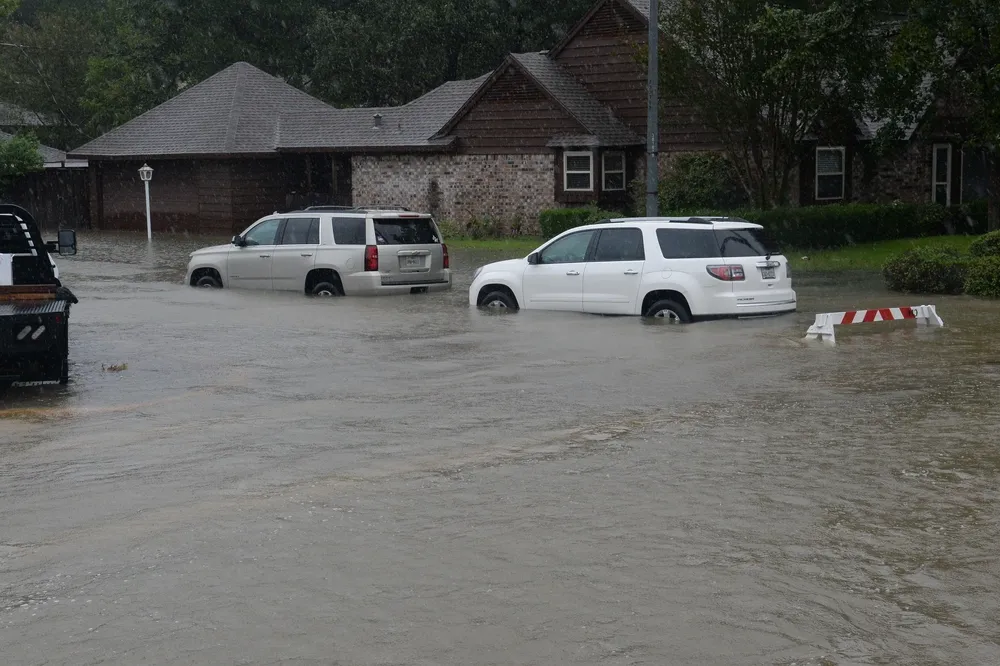
Short answer: yes, in certain areas.
Long answer: Cypress does not have a universal flooding problem, but some pockets have historically carried more risk than others.
Cypress Flooding Risk Is Highly Location Specific
Cypress is a large area that was built out over many decades under very different drainage rules. When flooding is discussed, it’s usually tied to specific sections, not Cypress as a whole.
During Hurricane Harvey, some areas experienced flooding while many others did not. In some neighborhoods, even homes on the same street had very different outcomes.
Areas That Are More Commonly Associated With Flooding History
There are a few parts of Cypress that locals tend to mention when flooding comes up, largely because of proximity to bayous, low elevation, or older drainage infrastructure.
Sections near Little Cypress Creek, Cypress Creek, and surrounding low-lying areas historically saw more issues during Harvey. This included parts of neighborhoods along Grant Road, Telge Road, and pockets closer to Barker Reservoir and Addicks overflow areas.
In some of these neighborhoods, homes flooded even when they were not located in high-risk flood zones.
That does not mean every home in these areas is flooded. It means the risk varied house by house, depending on elevation, slope, and drainage.
Areas That Performed Better Through Major Storms
Many master-planned communities built more recently performed significantly better, largely because of stricter development regulations.
Neighborhoods like Bridgeland, Towne Lake, and newer sections of Fairfield were designed with large-scale detention ponds, higher building elevations, and engineered drainage systems that didn’t exist decades ago.
Again, this doesn’t mean zero risk.
Newer Development vs Older Neighborhoods
Generally speaking, newer communities tend to carry lower flood risk because builders are required to follow modern elevation and detention requirements.
Older neighborhoods vary widely. Some have performed extremely well through major storms. Others have struggled due to outdated drainage patterns or proximity to creeks and channels.
Age alone doesn’t determine risk. Location and elevation do. which is something I’ve written more about in what Fairfield offers that newer parts of Cypress don’t.
Flood Zones Do Not Tell the Whole Story:
Being in a flood zone does not guarantee a home will flood.
But being outside a flood zone also doesn't guarantee it hasn’t.
During Harvey, hundreds of homes outside designated high-risk flood zones still took water. Flood maps are a starting point but not a guarantee.
What Flood Risk Actually Comes Down To
Flooding in Cypress almost always comes down to:
- A home’s elevation
- Slope of the lot
- Proximity to bayous or reservoirs
- How does water drain off the street
- Historical drainage behavior during extreme rain
That’s why two homes a mile apart can have completely different flood histories.
How Locals Think About Flooding Risk
Locals don’t talk about flooding in terms of “Is Cypress risky?”
They talk about it in terms of streets, sections, and past performance.
They know which areas handled heavy rain well and which struggled. They pay attention to elevation and drainage patterns, not just map labels. This is also why comparisons between established and newer neighborhoods come up so often, like when families weigh Bridgeland versus Fairfield.
The Bottom Line
Cypress does not have a blanket flooding problem, but it does require a thoughtful, location-specific approach.
Major flooding events have thankfully been few and far between since Harvey. In recent years, homeowners have been more likely to deal with power outages during freezes than widespread flooding.
That doesn’t mean flood risk doesn’t exist. It means it varies significantly depending on where and how a home was built.
If you’re relocating, the goal should't be to avoid Cypress. It’s to understand which parts historically struggled, which performed better, and why, so you can make an informed decision based on facts rather than fear.
If you’re relocating to Cypress and trying to sort through flood risk, neighborhood history, and what actually matters house by house, feel free to send a message on the contact page.


