Bridgeland East of 99 vs West of 99: What You’re Really Choosing Between
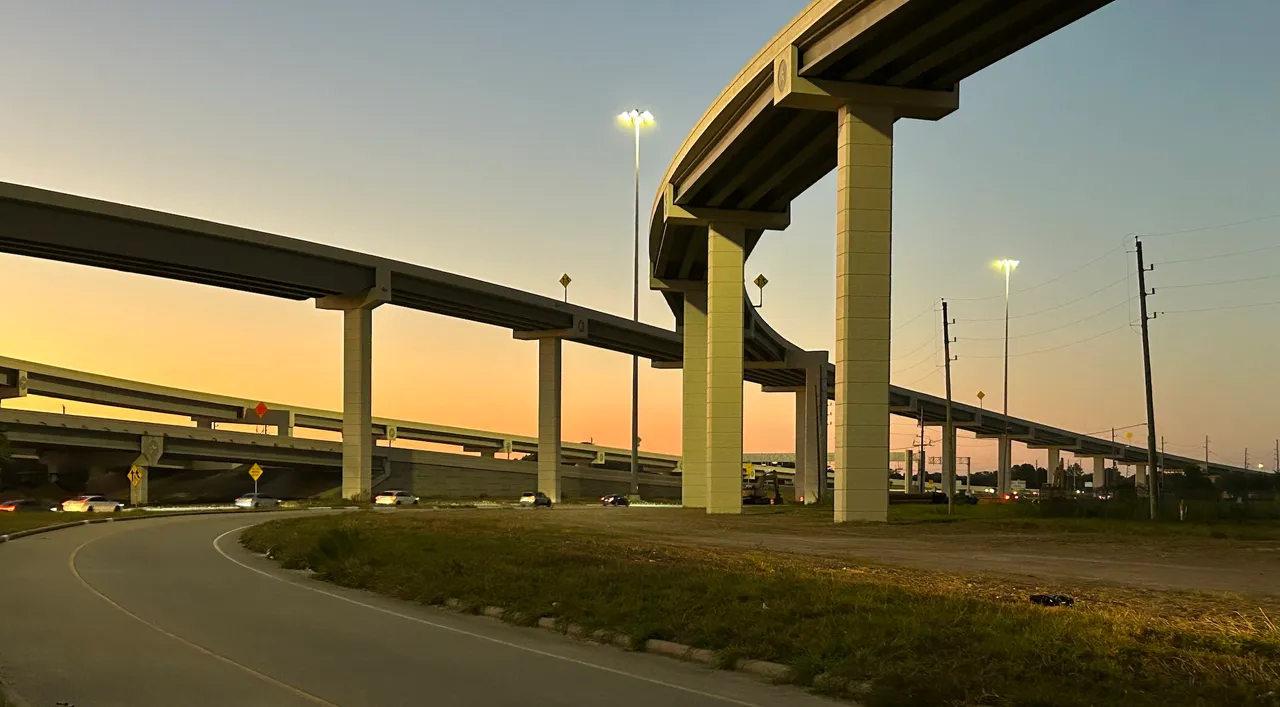
This question comes up constantly, and the Reddit thread about buying east of 99 versus west of 99 in Bridgeland is one of the few places I’ve seen people actually talk like real homeowners.
So here’s my opinion, based on what I’ve watched play out with families who move here, settle in, and then live with the decision for years.
If you’re buying with a baby and you care about long-term stability, the safer move is buying east of 99 in CFISD, even if it means resale and even if it means you have to update a kitchen or live with older finishes for a minute. West of 99 can absolutely be a fine choice, but it works best when people go into it with clear eyes. A lot of buyers get pulled west because the process feels simpler, incentives look attractive, and new construction is easy to fall in love with. That’s not automatically wrong, it just isn’t the same thing as “best long-term fit” for every family.
The Real Divide: Finished and Proven vs Still Developing
The Reddit comments basically confirmed what I see in real life. This decision usually isn’t about Bridgeland “as a whole.” It’s about whether you want a finished, proven version of Bridgeland that already feels like itself, or whether you’re comfortable buying into the newer side where you’re still waiting for a lot of things to mature. People act like that distinction doesn’t matter until they’re living it and doing the traffic, toll, and school math week after week.
Schools: Established vs Improving on a Timeline
CFISD is established. You know what you’re getting. The culture is set, the resources are there, and you’re not guessing how the district will look by the time your kid hits middle school.
Waller ISD will improve. I don’t doubt that. New schools are already opening, and growth brings funding. The main difference is timing. Buying west of 99 is a bet that the district’s improvements line up with your child’s exact years. Some families are totally fine with that gamble, especially if they like the idea of a smaller district and potentially less competition. Other families don’t want to have to think that hard about it, and the “we’ll see how it is in a few years” approach can quietly stress them out.
Traffic and Toll Dependency: The Part People Underestimate
A lot of west-of-99 homeowners end up toll-dependent. Not because they love paying tolls, but because the local routes are already strained and they can’t stomach Fry, Barker Cypress, and the cluster of intersections that get clogged up at random times of day.
When you’re touring houses, you’re thinking about kitchen layouts and lot size. You’re not thinking about how quickly you’ll start planning your errands around one road and one tollway. The Reddit thread was full of people basically saying, “I told myself I wouldn’t use 99 all the time… and then I did.”
The “Classic Bridgeland Feel” Isn’t Evenly Split
The other piece that matters, and long-time Bridgeland residents said it bluntly, is that the east side has the classic Bridgeland feel. It’s more mature, more thoughtful, more finished. The oldest parts have a cohesiveness that you cannot recreate later, because developer priorities shift.
The west side can have amenities and trails, and yes, it will keep building, but it’s not going to feel identical to the original sections. If you’re buying west expecting the same experience as the east side in a few years, that’s where disappointment can creep in.
New Construction vs Resale Value: “Easier” Doesn’t Always Mean “Better”
New construction isn’t automatically the better investment just because it’s new. It’s often the easier purchase, and those are not the same thing.
If you’re comparing new construction west of 99 to resale east of 99 at roughly similar prices, resale often wins long-term for families because you’re getting proven schools, mature landscaping, often better lots, and sometimes a pool or yard setup that you will not get in the newer sections without jumping significantly in price.
And yes, you might need to update cosmetics. But I would rather a buyer spend money on updates they control than pay for years of uncertainty they can’t control. A new house is only “better” if the rest of the ecosystem around it supports the life you want to live.
Who West of 99 Usually Works Best For
If you can afford a resale home east of 99 but you’re drawn to west of 99 because you prefer a brand-new home and a simpler purchase process, that’s a valid reason. The important part is understanding what you’re trading for that ease.
West of 99 tends to work best for families who genuinely want new construction, are comfortable using 99 more often, and don’t mind living in an area that’s still actively building out. If you’re okay with a school district that’s still evolving and you like the idea of a smaller district with potentially less competition, that can be a very reasonable tradeoff, especially with a baby and a longer runway before middle and high school years.
Who East of 99 Usually Works Best For
East of 99 tends to work best for families who want the most “finished” version of Bridgeland from the start. If you care a lot about proven schools, want more mature landscaping and established trails, and you’d rather deal with cosmetic updates than long-term unknowns, you’ll usually feel more settled east of 99.
If you’re a long-term family buyer trying to make one move and settle, the safer default is still east of 99.
If you’re deciding between east and west of 99 and want help thinking it through, you can reach out through my contact page.


